
This article is coreported with

This story is coreported with Consumer Reports.
In several states, new privacy laws are forcing brokers to disclose the companies that bought your data. So we asked for volunteers to request their personal data reports from the world’s largest data brokers. Hundreds of people responded.

Each report typically contained a detailed profile: names, addresses, Social Security numbers — along with more than a thousand educated guesses and predictions about your traits and habits.
Your data isn’t just sitting there. These reports show that it’s constantly accumulating, endlessly analyzed, and routinely sold off — to more than 100 of the largest companies in the U.S., among many others.
What’s in your data report?
A lot. These profiles show the last time you logged into your computer and how much you’ve spent on clothes, furniture, and dining out over the past several years.
Data brokers like Acxiom, Epsilon and others routinely sweep up the digital trail you leave behind and turn it into thousands of predictions about you and your purported traits, including things like:
- How many children you have, and their ages and genders
- Whether you’re “blue collar” or “white collar”
- If you’ve ever been a victim of fraud
But much of the data is wrong. One report listed six different guesses about someone’s age.
Your profile starts with who you are.

Data brokers maintain files on almost everyone. Acxiom says it has profiles of roughly 95% of U.S. adults. Epsilon claims to have data on “virtually every marketable U.S. household.”
Data brokers source data from public records, commercial databases, and other brokers.

They compile those records into a file that follows you throughout your life — and even after you die.
Your devices give you away.

Your phone’s “advertising ID,” your smart TV’s tracking identifier, your home’s IP address, and your car’s vehicle ID number — data brokers can have them all.
These identifiers let their clients match you to your online behavior — across every phone, tablet, computer, car, and television you own.
You’re assigned an economic value.

While data brokers typically don’t have access to your bank account, they can guess what you earn, what you’ve saved, and what you’re worth.
This is all “modeled” behavior based on where you live, your previous purchases, and what similar consumers to you are worth.
Your identity and health are inferred.
Without access to your medical records, data brokers infer how well you sleep, if you smoke, your body mass index, and if you have health insurance.
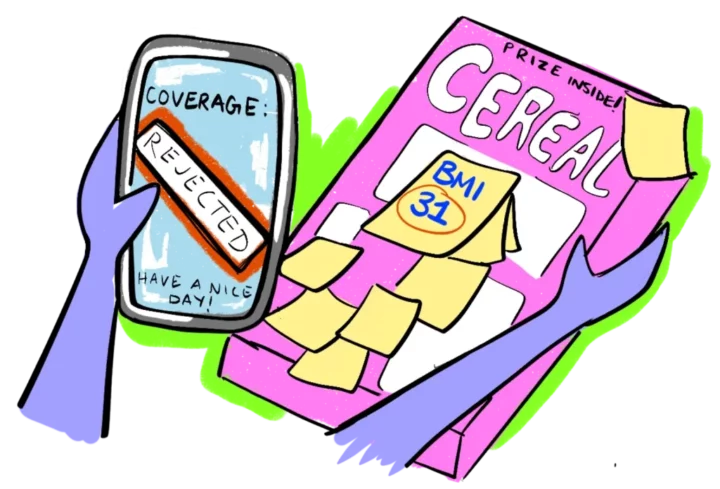
They can also guess your religion, ethnicity, political leanings, and even the exact ages of your children.
These inferences are then sold to pharmaceutical companies, healthcare firms, and insurers.
What you’ll do next is already predicted.
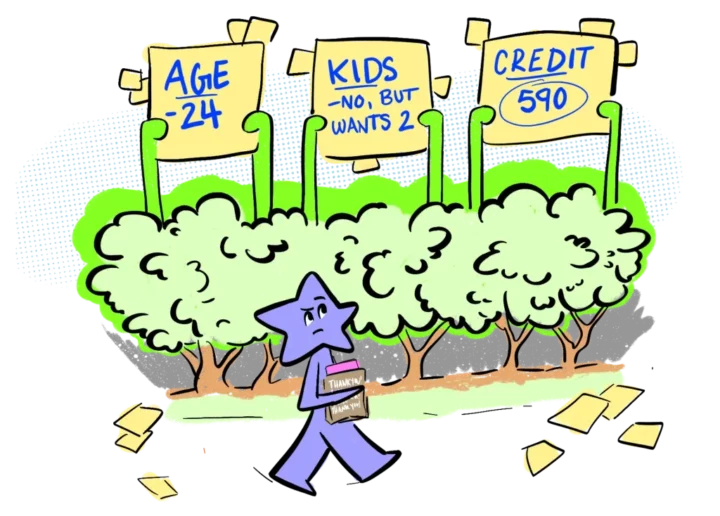
Data brokers score your likelihood to buy things from hundreds of brands. They predict what car you’ll buy next, where you like to eat, and whether you’re in the market for cryptocurrencies.
You’re assigned a ‘lifetime value score’ and a ‘profit margin’ label
Your data is valuable to companies.
A bank can use it to send you a credit card offer — with a better (or worse) sign-up bonus based on your profile. A home insurer can target you for new add-on coverage. Your favorite clothing store can use it to personalize the price of a sweater just for you.
To this end, Epsilon predicts your income, investments and “life cycle,” grouping people into one of 26 “NICHES” codes, such as “Easy Street,” “Mid Life Munchkins” and “Big Spender Parents.” It also categorizes people into how profitable they are to companies, using labels like “Best Profit Margin.”

Acxiom calculates a “lifetime value score” estimating your profitability as a customer.
For auto, home, and health insurers, this score ranges from 0 to 200,000, with higher scores suggesting you’re more profitable.
Acxiom then attaches dozens of labels to you, such as “Seniors ages 64+ years, with a medium ability to pay for medical expenses,” “3+ Generations in the US,” and “Completed High School.”
Here’s who’s buying your data.
The reports don’t just show what was collected. They name every company that purchased your profile.
Across the reports we reviewed, we identified hundreds of buyers.
Here’s what buyers do with your data.
Once your profile reaches corporate buyers, it becomes the raw material for decisions that directly affect your day-to-day financial life.


Insurers use it to gauge the health of your company’s employees and then prepare health insurance quotes and premiums.
Personal lenders use it to identify you as someone who may need a financial lifeline or is in the market for a car. But these loans may have bad terms and high interest rates.
Banks use it to market financial add-on products you may not need, like identity protection and credit monitoring.
Opting out is harder than you think.
Data brokers get most of their data from other companies, not directly from you.
You never signed up.
It’s debatable whether you even meaningfully consented.
And opting out only removes your data from one broker — it doesn’t erase the copies that have already been sold to dozens of others.

For more on who’s buying your personal information from data brokers, and what they’re getting, see our full investigation.